Why Your Anxiety Gets Worse at Night (And What to Do About It)
Understanding evening anxiety spikes and the proven techniques to calm your nervous system before bed.
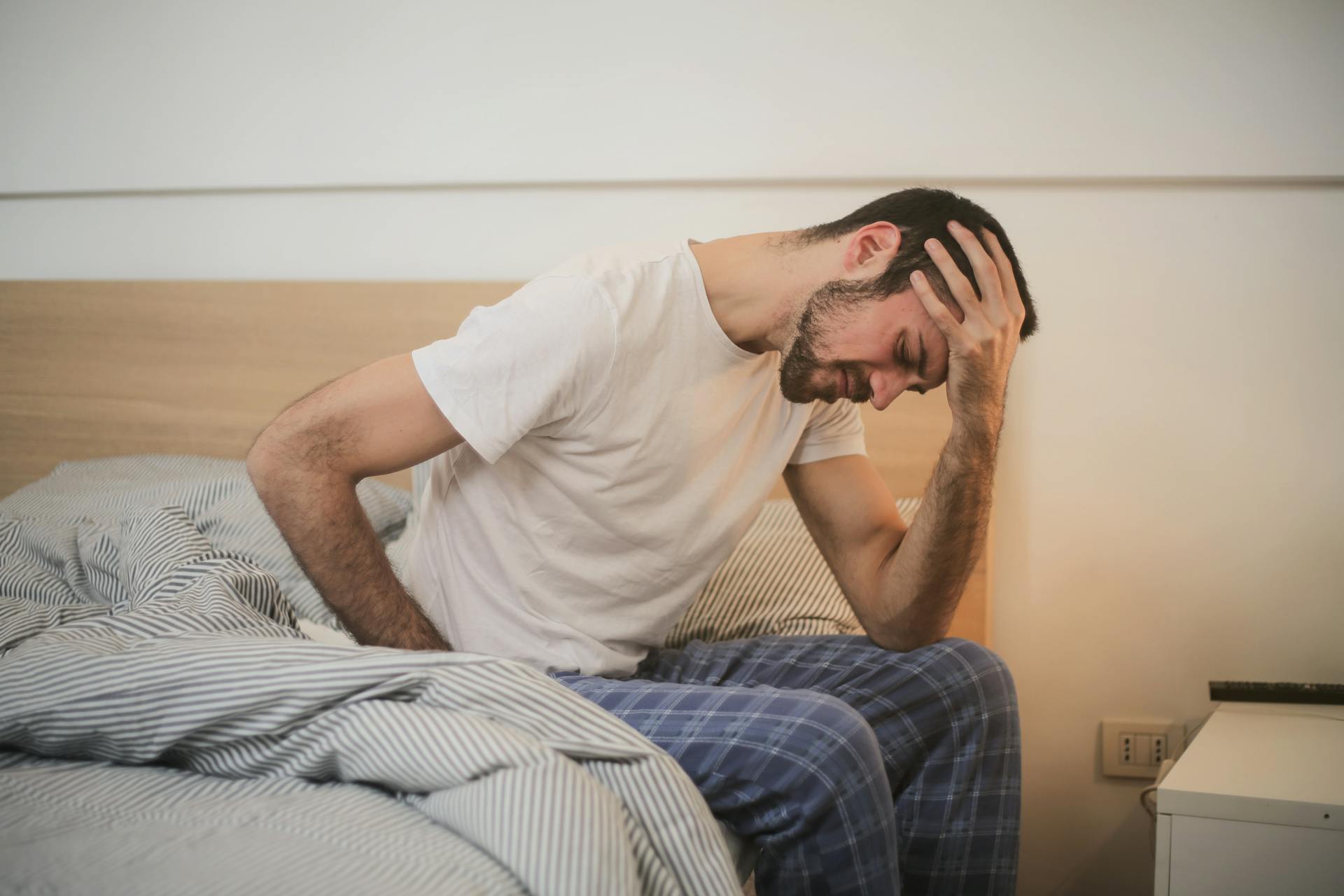
You made it through the day. You handled the meetings, the emails, the stress. But now, lying in bed, your mind won't stop racing. Your heart beats faster. Every worry you pushed aside during the day comes flooding back. Sound familiar?
You're Not Alone
Evening anxiety is one of the most common patterns in anxiety disorders. In fact, studies show that anxiety and panic symptoms peak between 6 PM and midnight for a significant portion of people with generalized anxiety disorder.
But here's the thing: it's not random. There are specific biological and psychological reasons why your anxiety intensifies at night — and once you understand them, you can address them.
5 Reasons Anxiety Gets Worse at Night
1. Cortisol Drops Too Fast
Your cortisol (stress hormone) naturally declines in the evening to prepare you for sleep. But if you've been running on stress all day, the sudden drop can trigger a rebound effect — causing restlessness, anxiety, or even panic.
2. No More Distractions
During the day, you're busy. Your brain is occupied with tasks, conversations, and movement. At night, when everything is quiet, your mind has space to wander — and anxious thoughts rush in to fill the void.
3. Suppressed Emotions Resurface
You probably suppressed stress, frustration, or worry throughout the day just to function. But emotions don't disappear — they accumulate. At night, when your defenses are down, they finally surface.
4. Blood Sugar Crashes
If you skip dinner, eat too early, or consume high-sugar foods in the evening, your blood sugar can drop overnight. Low blood sugar triggers adrenaline release, which can feel like anxiety or even a panic attack.
5. Your Nervous System Is Still "On"
If you've been in sympathetic (fight-or-flight) mode all day — checking emails, rushing through tasks, managing stress — your nervous system doesn't automatically switch off just because it's bedtime. It needs intentional signals to downregulate.
The Evening Wind-Down Protocol
To combat evening anxiety, you need to actively transition your nervous system from "alert" to "rest." Here's a science-backed protocol you can do in 10-15 minutes:
Step 1: Create a Digital Sunset (6-8 PM)
Stop checking work emails, social media, and news at least 2 hours before bed. The blue light and emotional stimulation keep your brain in alert mode.
Pro tip: Set a phone alarm titled "Digital Sunset" to remind yourself.
Step 2: The 4-7-8 Breath Reset (2 minutes)
This breathing pattern is clinically proven to activate the parasympathetic nervous system:
- Inhale through your nose for 4 counts
- Hold your breath for 7 counts
- Exhale through your mouth for 8 counts
- Repeat 4 times
This simple technique can reduce anxiety within 60 seconds.
Step 3: Progressive Muscle Relaxation (5 minutes)
Tense and release each muscle group for 5 seconds, starting with your feet and moving up to your face:
- Feet and toes
- Calves and thighs
- Hands and arms
- Shoulders and neck
- Face and jaw
This releases physical tension and signals your body that it's safe to relax.
Step 4: The Worry Dump (3 minutes)
Keep a notebook by your bed. Before lying down, write out every worry, task, or thought that's bothering you. You don't need to solve anything — just get it out of your head and onto paper.
This technique, called "cognitive offloading," has been shown to reduce rumination and improve sleep onset.
Step 5: Temperature Drop (30 seconds)
Splash cold water on your face or hold ice cubes for 15 seconds. This activates the dive reflex, which rapidly calms your nervous system by slowing your heart rate.
What NOT to Do
These common evening habits can make anxiety worse:
- ✗Scrolling through news or social media — Stimulates cortisol and keeps your brain alert
- ✗Drinking alcohol to "relax" — Initially sedating but disrupts sleep quality and rebounds with anxiety
- ✗Lying in bed ruminating — Trains your brain to associate bed with anxiety instead of rest
- ✗Ignoring your body's stress signals — Unprocessed tension accumulates and erupts later
- ✗Working or exercising too close to bedtime — Keeps your system in sympathetic overdrive
The Bigger Picture: Daily Anxiety Management
While the evening protocol helps, the best way to prevent nighttime anxiety is to manage stress throughout the day:
- Take micro-breaks — 2-minute resets between tasks prevent stress accumulation
- Process emotions as they arise — Don't wait until bedtime to acknowledge how you feel
- Move your body — Walk, stretch, or shake out tension during the day
- Eat balanced meals — Protein and healthy fats stabilise blood sugar and mood
- Build vagal tone — Regular breathwork and cold exposure strengthen your nervous system's resilience
MicroMood: Your Evening Anxiety Solution
MicroMood helps you manage anxiety all day long — so it doesn't spike at night. Get personalised evening routines, guided wind-down sequences, and real-time nervous system tracking.
- ✓ Evening anxiety protocols
- ✓ 4-7-8 breath guidance
- ✓ Progressive muscle relaxation
- ✓ Worry dump journaling
- ✓ Sleep preparation sequences